Andromeda Sci-Fi Movie Review
In a galaxy in your head not so far away…
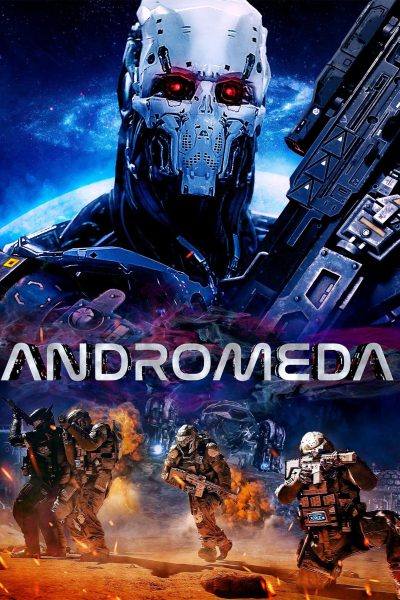 Where to start with this one…
I had high hopes for Andromeda. The acting is generally decent, even if it occasionally veers into full melodrama. Case in point: “Aiden, you must decide within 24 hours or everyone on Earth will die. Painfully.” It just seemed over the top.
The movie also spends a ‘painful’ amount of time explaining things. The VR trips were interesting when they happened but it took a while to get there.
Then sometimes they explained the obvious. “The transmission is sending a message to us,” my first thought was, “You don’t say?” Then they claimed it was a threat, but nothing really came of that.
Unfortunately, the biggest problem is that the story never seems to settle on its own rules. The premise involves traveling through space with your mind, but if your consciousness is doing the traveling, why do you need a spaceship or a spacesuit? More importantly, how can you die if your physical body never left Earth? The film’s ultimate plan to save humanity is to move everyone this way, but… their bodies would still be here. I had a lot of questions, and the movie never answered them despite all the explaining.
Then there are evil robot aliens that appear to be important but are barely explained before the story moves on. They could have been fascinating, but instead they feel like another intriguing idea that never gets developed. I was equally puzzled by Aiden’s repeated attempts to drown himself. I think Aiden was being melodramatic. Why was he so messed up? It just didn’t make sense.
Ironically, despite trying to juggle first contact, mind travel, alien technology, and the fate of humanity, the movie is slow and often uninteresting. That’s quite an accomplishment.
The special effects are actually pretty good, and they’re easily the film’s strongest point. They help keep things visually interesting, even when the story starts to wander.
One final nitpick for the astronomy fans: the Andromeda Galaxy isn’t 26 million light-years away. It’s about 2.5 million light-years away. If you’re going to name your movie after a galaxy, it’s worth getting the distance right.
 Because it made me laugh several times, fair acting, and decent special effects, Andromeda earns a 2.5 beer rating. There are some interesting ideas and decent visuals here, but they’re buried under inconsistent worldbuilding, unanswered questions, and uneven pacing. Fair warning: you might want more beers before the credits roll. Streaming for free on YouTube. SEE THE MOVIE
Andromeda Sci-Fi Movie Review Read More »